MENU


Economic Prosperity for Community Well-Being
Ancient Mayan city states showcase the great economic prosperity of a bygone era. Today, tribal colleges, guided by Indigenous values, are rebuilding their communities through a myriad of programs.
Ancient Mayan city states showcase the great economic prosperity of a bygone era. Today, tribal colleges, guided by Indigenous values, are rebuilding their communities through a myriad of programs.

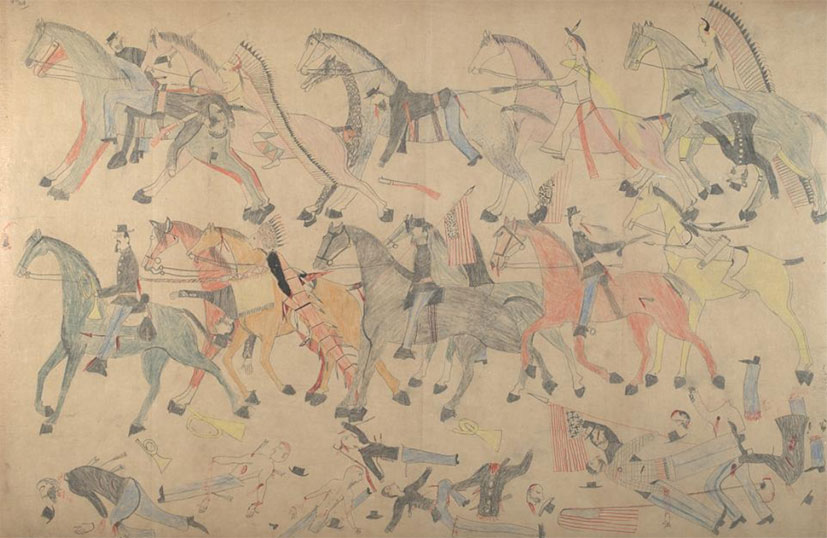
The Cherokee experience during the 1830s showcased America’s epic failure to meet its trust responsibility. But it also offers a chance to learn from the past.

Tribal college leaders have always been innovative and tenacious. Such qualities were instrumental in the founding of the American Indian College Fund.
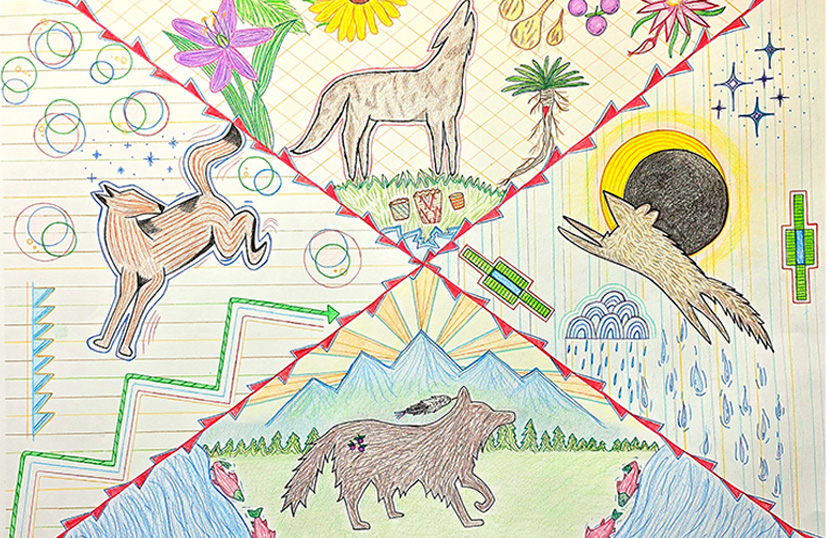
For generations, teacher education programs serving Native students have sought to “make the child fit the desk.” Today, tribally controlled colleges, rooted in Indigenous values, have changed that paradigm.

Being resolute, unified, and relentless is key to effective advocacy, as evidenced by the National Congress of American Indians’ monumental victory over the federal government’s Termination policy.

Generations ago, Vine Deloria Jr. shook the academic establishment by trumpeting the call for greater data sovereignty. Today, tribal colleges are ideally situated to take the lead in this effort.

Dizzying changes in federal Indian policy have plagued tribes’ nation-to-nation relationship with the United States. The arts and humanities offer a means to share stories and make sense of a chaotic world.

With the growing environmental crisis, traditional ecological knowledge of food, energy, water systems from elders like Wuzzie George is more important now than ever.

With repeated failures to institute safety measures and guardrails in the development of AI, Native nations’ sovereignty and self-determination are more important than ever.

As Indian Country’s great thinktank, tribal colleges are ideally suited to discover new avenues and develop novel approaches to protect sacred places.

At the close of the 19th century, observers thought the North American bison was doomed to extinction. But they didn’t count on its steadfast resilience.

Our great linguistic diversity is declining precipitously, and Indigenous languages are at the greatest risk. But there is hope. Tribal colleges and universities may be the greatest force for Native language sustainability in North America.

Before the advent of tribal colleges, Native peoples had to relocate far from their communities to pursue CTE pathways. Today, TCUs offer myriad programs and opportunities right at home.

The recent report from the Intergovernmental Panel on Climate Change is clear—unless we take immediate action, it will be too late. Key to that is embracing and elevating Native ways of knowing, and tribal colleges must play a central role.

Historical trauma can manifest itself in many ways, as evidenced by the ghost sickness that afflicted the Comanche Nation. Today, tribal colleges are taking the lead in the healing process by connecting Indigenous communities to their culture.

AIHEC was founded on a dream and a prayer, but it was also a result of larger social, political, and economic currents transforming Indigenous communities worldwide.

Tribal colleges and Indian Country more broadly have been on the other side of the digital divide for too long. But now, fortified by their core cultural values, they are working tirelessly to bridge that divide.

The Deganawidah epic can teach us much about the transformative power of shared governance.

Indigenous peoples have a long history of being the objects of “research,” as illustrated in the sordid tale of Dr. Samuel Morton and his crania collection. Today, Native scholars and TCUs are making research work for the betterment of tribal communities.

Often forgotten, sometimes our greatest leaders work quietly, behind-the-scenes.

LaDonna Harris spent decades working to build positive and more equitable partnerships for the benefit of Native nations. Today, tribal colleges are doing the same for the communities they serve.

A century ago, Carlos Montezuma excelled academically but spent a lifetime searching for community, culture, and meaning. Today, those assets are woven into the fabric of tribal colleges and universities.
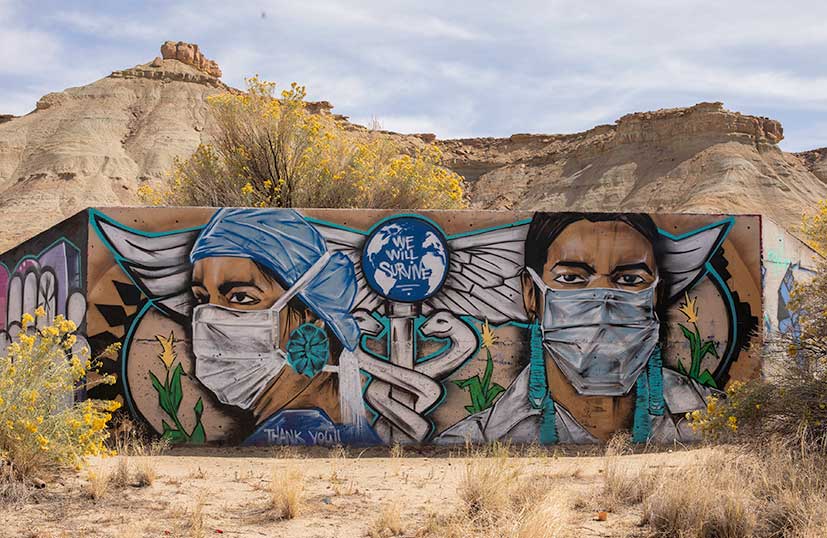
Tribal colleges and universities are playing an indispensable role during this pandemic, helping to build public health infrastructure and educating the communities they serve.

In this climate crisis the choices we make are more critical than ever. Fortunately, history offers lessons on where we have been and where we may be headed.

The story of Luther Standing Bear, one of the first students to attend the Carlisle Industrial School, underscores how far Native nations have come in transforming and reimagining education.